- 24.8.2026
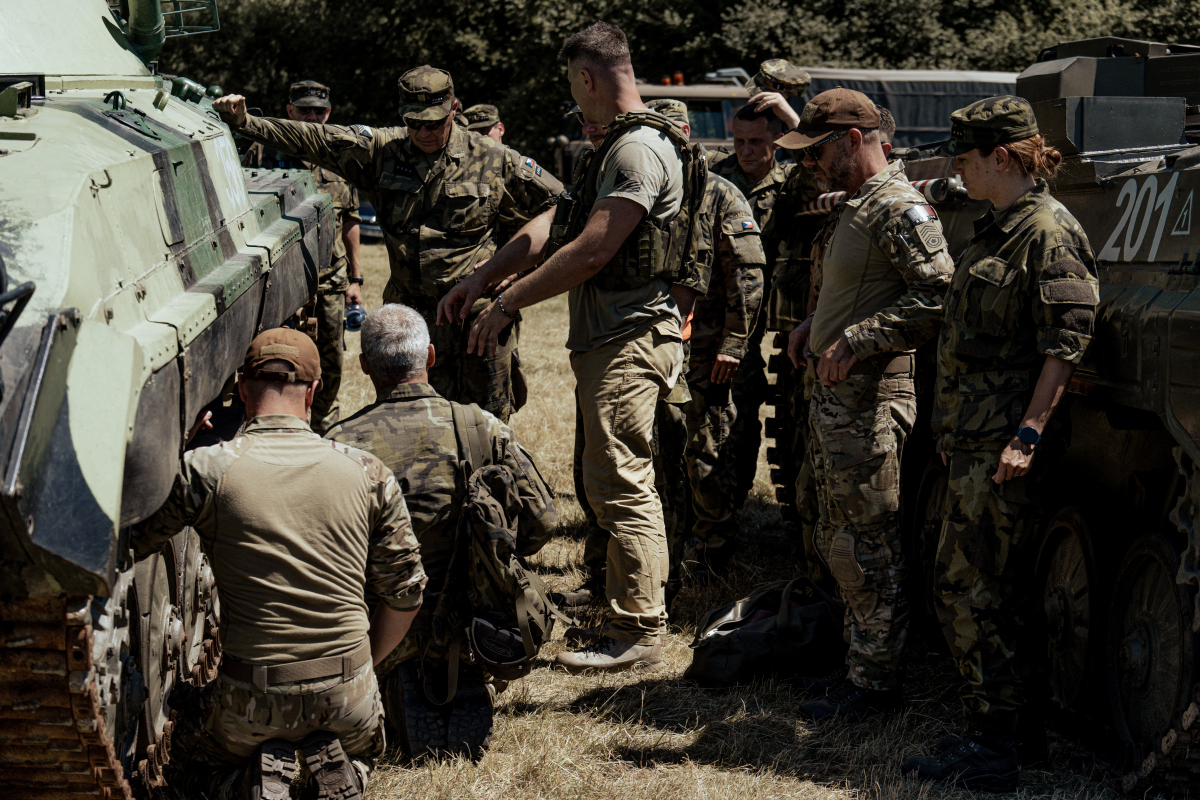
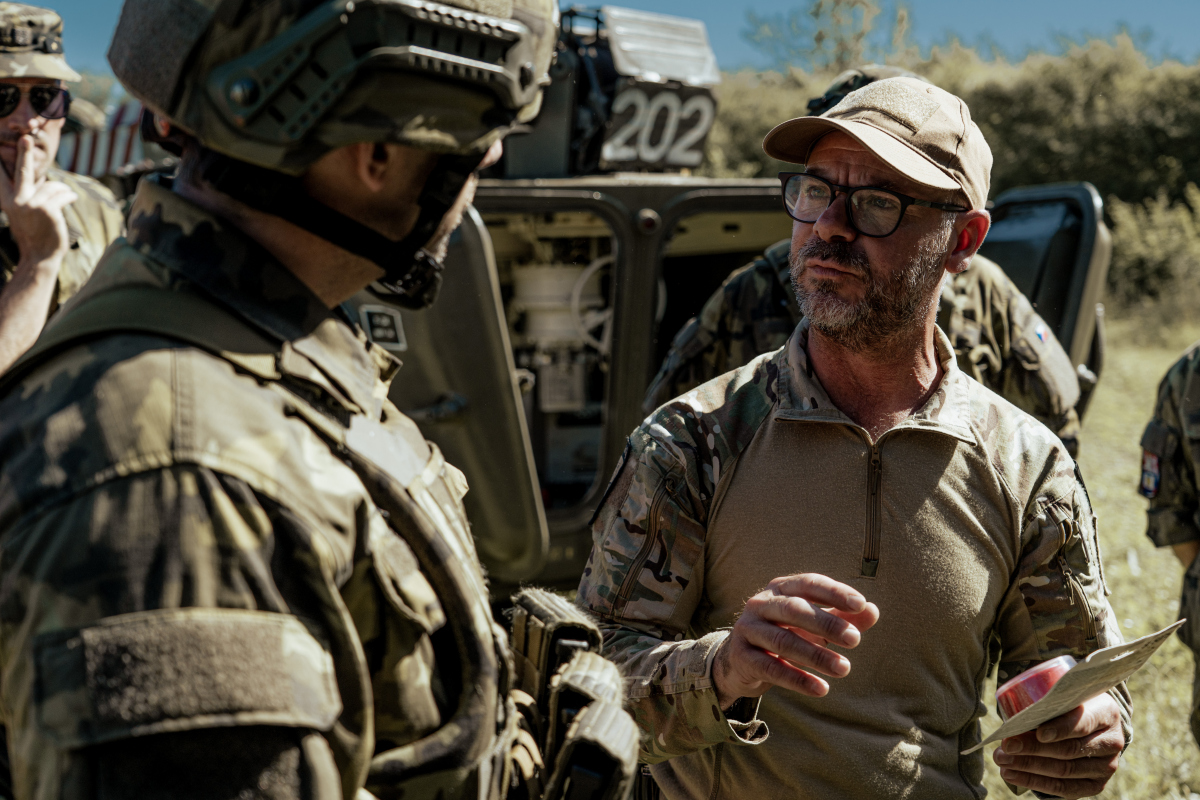
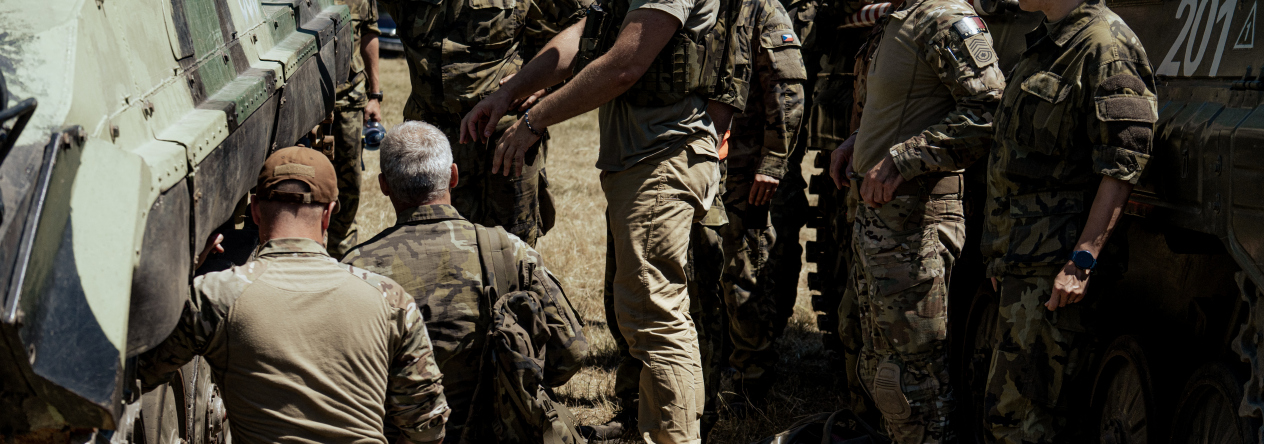
Under the auspices of the Multinational Logistics Coordination Centre (MLCC), the MOLA26 / ER – BST / FAT (Battle Staff Training / Functional Area Training) was conducted from 22 to 26 June 2026 in Hranice, Czech Republic. The event formed a key milestone in the preparation for CAPABLE LOGISTICIAN 2027 (CL27) and was organised in close cooperation with the 71st Mechanised Battalion, the University of Defence in Brno, with the principal support of the Belgian Defence and the Swedish Armed Forces.
The training brought together military experts and specialists from several NATO and partner nations. Participants included representatives from the Czech Republic and Belgium, Belgian instructors, and Swedish officers serving as members of the evaluation team, creating an excellent platform for multinational cooperation and the exchange of expertise in maintenance, recovery and battlefield repair.
The principal objective of the training was to enhance multinational interoperability in the fields of Battle Damage Repair (BDR), Expedient Repair (ER), battlefield recovery, emergency equipment maintenance, and the implementation of selected NATO maintenance standards. Particular emphasis was placed on the practical application of STANAG 2633 (Maintenance Support of Land Operations), STANAG 4478 (Recovery and Towing Facilities for Tactical Land Vehicles and Trailers), STANAG 2284, together with the procedures contained within APP-11 and APP-14(A).
Throughout the week, participants attended a comprehensive programme of briefings, workshops and practical demonstrations conducted both at the headquarters of the Czech Army's 7th Mechanised Brigade and at the nearby Drahotuše Training Area. Activities included the validation of multinational recovery procedures, emergency towing drills, battlefield vehicle recovery operations, and the evaluation of best practices in the application of Expedient Repair techniques under operational conditions.
A particularly innovative element of the training was the examination of the spare parts created with technologies of the Advanced Manufacturing and test certified parts after replacement in deployed operational environments. Participants assessed how these capabilities could reduce repair times, improve equipment availability and strengthen logistical resilience by enabling critical components to be manufactured much closer to the point of need.
Beyond its technical objectives, the event also served as an important forum for strengthening cooperation between military organisations, academia and industry. Contributions from Belgian, Swedish and Czech specialists demonstrated the growing importance of multinational collaboration in developing practical, interoperable solutions that enhance operational readiness and sustain land forces during high-intensity operations.
The knowledge, lessons identified and recommendations generated during the training will contribute directly to the continued development of the multinational maintenance and recovery capability planned for CAPABLE LOGISTICIAN 2027, supporting NATO's objective of improving interoperability, resilience and operational effectiveness across Allied and partner nations.